 |
| A Florida roadside meadow on 5/1/14 really “pops” and the adjacent farm is planted with wildflowers, too. |

Showing posts with label wildflower. Show all posts
Showing posts with label wildflower. Show all posts
Monday, June 27, 2016
Florida’s roadside meadow program

Sunday, June 26, 2016
Beauty is in the eye of the beholder
 |
| Can you spot the rayless sunflowers in this bed? There are about 20 flower heads blooming. |
As I discussed in Adventures in Creating a Native Garden back in June 2013, I’d planted some rayless sunflowers (Helianthus radula) as part of the native garden. Now that they are blooming, I have to say that I’m a bit underwhelmed. Their beauty is too subtle to enjoy from afar and they do not stand out in this bed.
Tuesday, March 1, 2016
What is native? What is not? When does it matter?
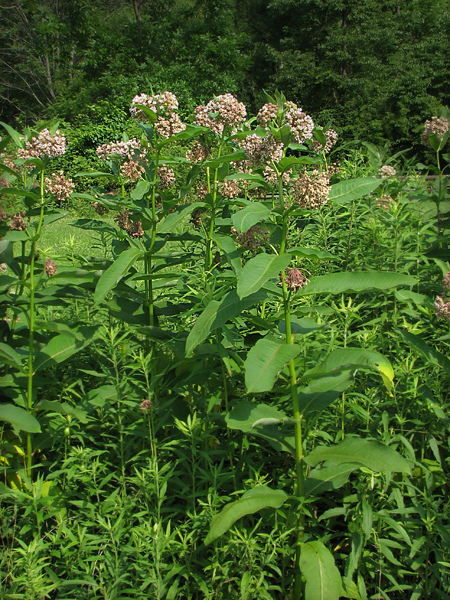 |
| Common milkweed, Asclepias syriaca (© B. Moisset) |
Definitions of native plants abound. None is entirely satisfactory in all circumstances but each may serve a specific function. Some strive for scientific accuracy; others serve practical purposes. Moreover, in some instances the nativity of a plant may not matter to the native-plant gardener. None of us is about to give up growing tomatoes regardless of their non-native status.
The FederalNative Plant Conservation Committee proposes the following definition: “A native plant species is one that occurs naturally in a particular habitat, ecosystem, or region of the United States and its Territories or Possessions, without direct or indirect human actions.” Such definition may be useful for policy making.
Subscribe to:
Posts (Atom)